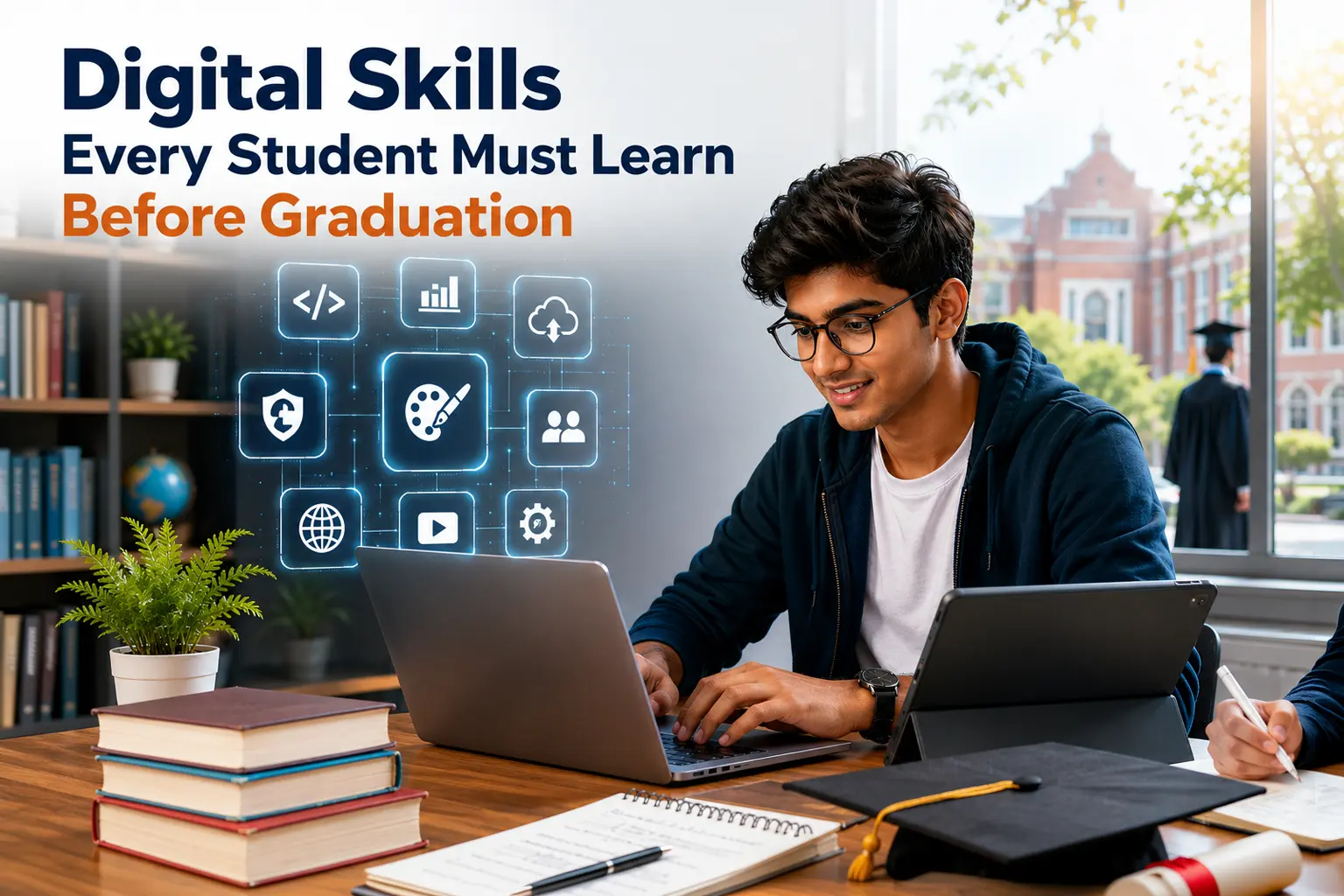
Today, the knowledge acquired in the classroom is no longer enough to ensure success in the workplace. Students are required to be effective in a digital world, to collaborate efficiently, to analyze information, and to adapt in digital environments. It is very important to seek a job in the desired field. Therefore, digital literacy skills for students are essential for careers in business, healthcare, engineering, media, and entrepreneurship.
Developing key digital competencies throughout their studies enhances their employability and will help them be more productive, creative, and confident in a competitive workplace. Here are the top 10 digital skills every student should learn before finishing their education.
1. Digital Communication Skills
Effective communication in digital spaces helps students collaborate professionally and build strong workplace relationships.
Understanding Professional Communication
Students should be able to express themselves clearly and professionally using digital platforms. This involves writing emails, joining virtual meetings and online etiquette.
Recommended Tools
- Email platforms like Gmail and Outlook
- Video conferencing tools such as Zoom and Microsoft Teams
- Collaboration platforms like Slack and Google Workspace
Career Benefits of Digital Communication
In today’s workplaces, remote communication plays a critical role for most. Digital communication skills are essential for effective collaboration, increased productivity and professionalism.
2. Basic Data Analysis and Spreadsheet Skills
Data analysis skills enable students to make informed decisions and work efficiently with business information.
Learning to Work with Data
In most sectors, data is the core of the decision-making process. Students should be able to structure, analyse and use data in an effective manner.
Essential Spreadsheet Skills
- Creating formulas and functions
- Using charts and graphs
- Managing databases and tables
- Understanding basic analytics
Recommended Tools
- Microsoft Excel
- Google Sheets
- Tableau (beginner level)
Career Benefits of Data Analysis
Even in non-technical job positions, they need to analyze reports, budgets, or customer information. Using the spreadsheet is a valuable skill to have.
3. Cybersecurity Awareness
Understanding online safety helps students protect personal information and avoid digital threats.
Protecting Personal and Professional Information
As cyber threats are on the rise, it is important for students to know how to protect digital data and online identities.
Key Cybersecurity Practices
- Creating strong passwords
- Recognizing phishing scams
- Using two-factor authentication
- Protecting devices from malware
Career Benefits of Cybersecurity Awareness
Students who are cybersecurity aware remain safe online and are equipped to be responsible digital citizens in the workplace.
4. Content Creation and Digital Creativity
Creative digital skills allow students to communicate ideas visually and stand out professionally.
Building Creative Digital Skills
In the world of digital content creation, its worth is vast, spanning various sectors such as marketing, education, business, and entertainment.
Skills to Develop
- Graphic design (basics)
- Video editing
- Presentation design
- Social media content creation
Popular Tools
- Canva
- Adobe Express
- CapCut
- PowerPoint
Career Benefits of Content Creation
When students can produce interesting digital material, they typically will stand out from the crowd in internships, projects, and job applications.
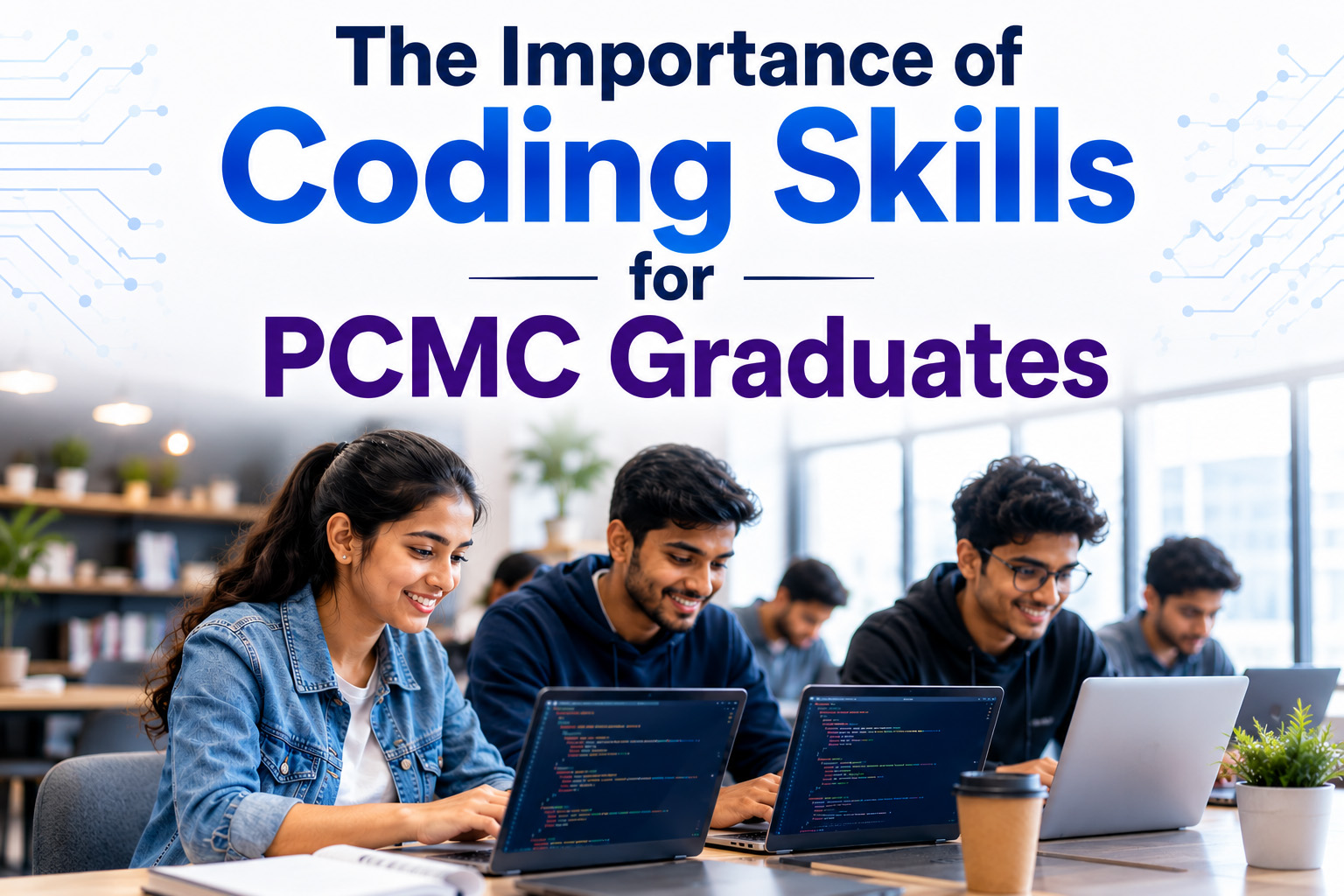
5. Coding and Basic Programming Knowledge
Basic programming knowledge improves logical thinking and prepares students for technology-driven careers.
Beginner-Friendly Languages
- Python
- HTML and CSS
- JavaScript basics
What Students Can Learn
- Automation of simple tasks
- Website basics
- App functionality
- Data handling concepts
Career Benefits of Programming Language
Programming may not be essential for students to become software developers, but knowing the basics of programming can enhance problem-solving and logical reasoning skills.
Long-Term Advantages
Understanding code opens the door to technology jobs and to adapting better to technologically advanced work environments.
6. Online Research and Information Literacy
Research skills help students identify reliable information and make informed academic and professional decisions.
Finding Reliable Information
In the era of the internet, there is a wealth of information, but some is not accurate. Students need to be able to critically assess sources.
Important Research Skills
- Verifying information credibility
- Avoiding misinformation
- Using academic databases
- Proper citation practices
Career Benefits of Research Skills
Good research skills will enhance students’ academic performance and career choices.
7. Digital Collaboration and Teamwork
Collaboration tools help students work efficiently with teams in remote and hybrid environments.
Working Effectively in Virtual Teams
Modern organizations often operate with remote or hybrid teams. Students should know how to collaborate digitally with people across different locations.
Useful Platforms
- Trello
- Notion
- Google Drive
- Microsoft Teams
Collaboration Skills to Learn
- Sharing files efficiently
- Managing group projects online
- Tracking tasks and deadlines
- Communicating in shared workspaces
Workplace Importance
Employers value graduates who can contribute effectively to digital team environments.
8. Personal Branding and LinkedIn Management
A professional online presence increases career opportunities and networking potential for students.
Creating a Professional Online Presence
Students should be taught to present themselves professionally electronically. Many recruiters check out candidates’ online profiles prior to hiring.
Key Personal Branding Tips
- Build a strong LinkedIn profile
- Showcase projects and achievements
- Maintain professional social media accounts
- Network with industry professionals
Benefits for Students
Having a strong online presence will lead to more internships, networking opportunities and career visibility.
9. Time Management and Productivity Tools
Digital productivity tools help students stay organized and manage responsibilities effectively by managing tasks, schedules, and goals more efficiently.
Recommended Productivity Tools
- Google Calendar
- Notion
- Todoist
- Microsoft OneNote
Skills to Focus On
- Prioritizing tasks
- Managing deadlines
- Setting reminders
- Tracking progress
Why It Helps?
Time management positively influences academic achievement and equips students with skills to tackle their workplace responsibilities.
10. Understanding AI and Emerging Technologies
Knowledge of emerging technologies prepares students for the future digital workplace.
Preparing for the Future
Industries are undergoing a rapid transformation with the power of artificial intelligence, automation, and new technologies. Students should have an overview of these technologies.
Areas to Explore
- AI tools for students and their applications
- Automation basics
- Cloud computing
- Digital ethics
Why This Knowledge Matters?
Technology skills for students prepare them better for careers and changing workplace demands.
Conclusion
Students preparing to enter the workforce simply cannot be without digital skills. These skills influence graduates’ learning, working, and career development in communication and collaboration. Digital competencies that are developed in a meaningful way by students before graduating will help them secure an advantage, enhance their career readiness, and help them adapt as the world changes.
The more time students invest in mastering these key skills, the more confident they will be moving from the classroom to success in the digital world. At Jaihind Academy of Education, we are committed to bridging this gap by providing the resources and training necessary to excel in the modern economy.